

An Introduction to Dog Grooming
Dog grooming is an essential part of responsible pet ownership. While many people think grooming is simply about keeping a dog looking neat and tidy, it plays a much bigger role in maintaining overall health and comfort. Regular grooming helps prevent skin problems, reduces shedding, supports hygiene, and allows you to spot potential health issues early.
Why Grooming Matters
Grooming is about more than appearance. Brushing removes dirt, loose hair, and debris while distributing natural oils throughout the coat to keep it healthy and shiny. It also prevents matting, which can cause skin irritation and even infections if left untreated. Regular grooming sessions give you the opportunity to check for lumps, bumps, parasites, or skin abnormalities that may need veterinary attention.
Understanding Coat Types
Different dogs have different grooming needs depending on their coat type. Short-haired breeds may only require weekly brushing, while long-haired or double-coated breeds need more frequent care to prevent tangles and excessive shedding. Curly or wool-coated dogs often require professional trimming to maintain coat health and manageability. Understanding your dog’s specific coat type will help you create an effective grooming routine.
The Basics of Dog Grooming
A well-rounded grooming routine typically includes:
-
Brushing: Removes loose fur and prevents mats.
-
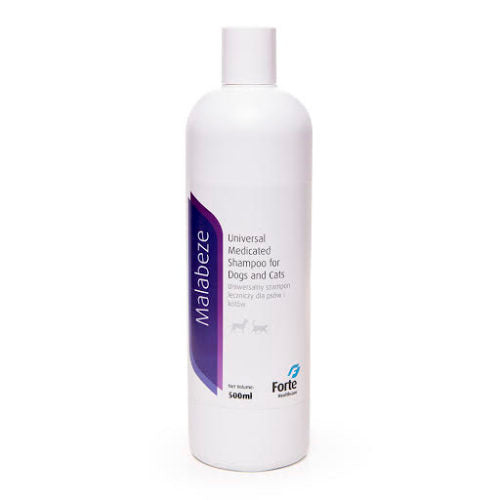
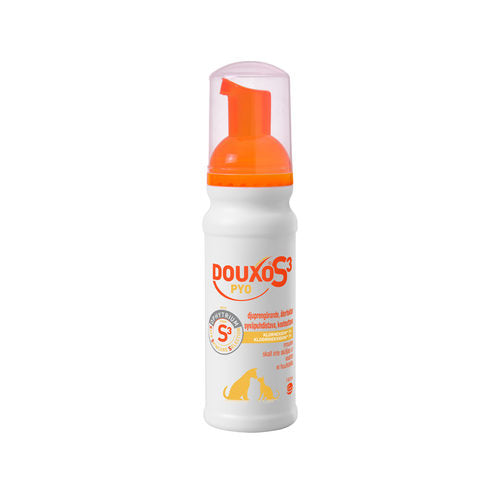
Bathing: Keeps the coat and skin clean. Use a dog-specific shampoo to avoid irritation.
-
Nail trimming: Prevents overgrown nails that can cause discomfort or affect walking.
-
Ear cleaning: Reduces the risk of infections, especially in breeds with floppy ears.
-
Dental care: Regular brushing supports overall health and prevents gum disease.
The frequency of each task depends on your dog’s breed, lifestyle, and coat condition.
Grooming at Home vs. Professional Grooming
Many grooming tasks can be done at home with the right tools and patience. However, some dogs benefit from professional grooming, especially breeds that require haircuts or specialised coat maintenance. Professional groomers are trained to handle different coat types and can safely trim, clip, and style your dog while checking for potential issues.
Making Grooming a Positive Experience
Start grooming routines early, ideally when your dog is a puppy, to help them become comfortable with handling. Keep sessions calm and positive, use praise and treats, and work slowly if your dog seems anxious. Short, consistent sessions are often more successful than long, stressful ones.
Final Thoughts
Dog grooming is a key part of keeping your pet healthy, comfortable, and happy. With a consistent routine and the right approach, grooming can become a bonding experience that benefits both you and your dog. Regular care not only keeps your dog looking their best but also supports their long-term well-being.