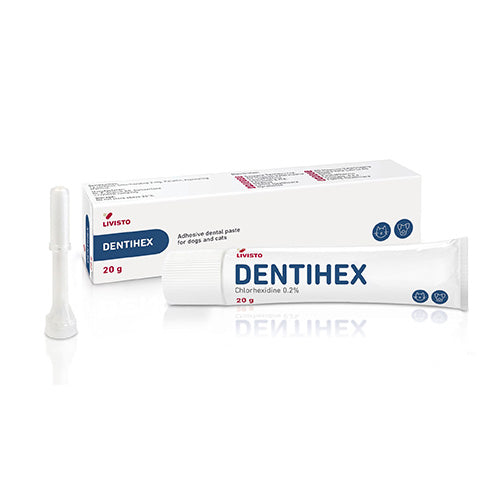
Caring for your Cats Dental Hygiene

Caring for your Cats Dental Hygiene

Here are 10 practical tips to help you care for your cat’s dental hygiene and overall oral health:

  • Brush your cat’s teeth regularly. Daily brushing is ideal, but even a few times per week can significantly reduce plaque buildup.

  • Use cat-specific toothpaste only. Never use human toothpaste, as it can contain ingredients that are toxic to cats if swallowed.

  • Choose a soft, appropriately sized toothbrush. A small pet toothbrush or finger brush works best for a cat’s smaller mouth.

  • Introduce dental care gradually. Start slowly by getting your cat used to having their lips and gums touched before introducing toothpaste and brushing.

  • Start young when possible. Kittens adapt more easily to brushing routines, making lifelong dental care much easier.

  • Provide dental treats or chews designed for cats. Look for products specifically formulated to help reduce plaque and tartar.

  • Consider dental-support diets. Some dry food formulas are designed to help mechanically reduce plaque as your cat chews.

  • Schedule regular veterinary dental exams. Annual checkups help detect early signs of gingivitis, tooth resorption, or periodontal disease.

  • Follow through with professional cleanings if recommended. Veterinary cleanings remove tartar above and below the gumline and allow for a full oral assessment.

  • Watch for subtle warning signs. Bad breath, drooling, dropping food, weight loss, pawing at the mouth, or behavior changes can signal dental pain.

Consistent dental care is one of the most important and most overlooked parts of responsible cat ownership. With regular attention and preventive care, you can help your cat avoid painful dental disease and enjoy a healthier, more comfortable life.