

Dental Care for your Cat
Dental care is one of the most overlooked aspects of caring for cats, yet it plays a crucial role in their overall health and well-being. Many cat owners focus on providing high-quality food, a clean litter box, enrichment, and regular veterinary visits. However, oral health often goes unnoticed until a serious problem develops. Dental disease is extremely common in cats, and without proper prevention and treatment, it can lead to chronic pain, infection, and long-term health complications.
Cats are particularly prone to dental issues such as plaque buildup, gingivitis, periodontal disease, and tooth resorption. After a cat eats, bacteria mix with food particles and saliva to form plaque on the teeth. If plaque is not removed, it hardens into tartar, which irritates the gums. This irritation can quickly progress to gingivitis, marked by red, swollen, or bleeding gums. Over time, untreated gingivitis can develop into periodontal disease, a more advanced condition that damages the structures supporting the teeth. In severe cases, this can result in loose teeth, abscesses, and significant oral pain.
One dental condition that is especially common in cats is tooth resorption, where the tooth structure begins to break down from the inside. This condition can be extremely painful, yet it often goes unnoticed because cats are masters at hiding discomfort. Unlike dogs or humans, cats rarely show obvious signs of dental pain. They may continue eating, but they might chew more slowly, drop food, favor one side of the mouth, or avoid hard kibble. Some cats may groom less, become withdrawn, or show subtle changes in behavior due to ongoing discomfort.
Bad breath is often one of the first noticeable signs of dental disease in cats, but it is frequently dismissed as normal. In reality, persistent foul odor from the mouth can indicate infection or advanced gum disease. Other warning signs may include drooling, pawing at the mouth, weight loss, or visible tartar buildup along the gumline. Because cats are so skilled at concealing pain, regular veterinary examinations are essential for detecting problems early.
Poor oral health in cats can affect more than just the mouth. Bacteria from infected gums can enter the bloodstream and spread to vital organs such as the heart, liver, and kidneys. Over time, this bacterial spread can contribute to serious systemic health conditions. Senior cats are especially vulnerable if dental care has not been consistent throughout their lives.
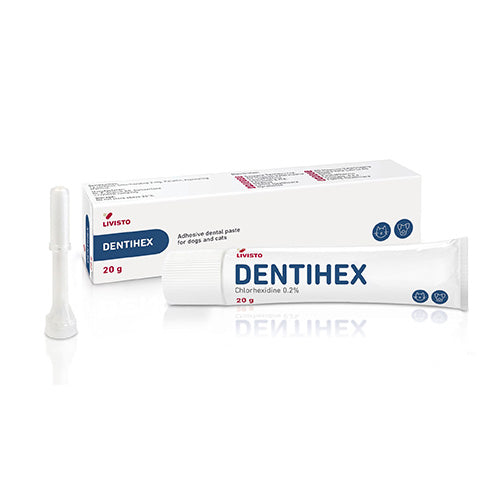
Preventive dental care is the most effective way for cat owners to protect their pet’s health. Brushing a cat’s teeth with cat-specific toothpaste is considered the gold standard for plaque control. Human toothpaste should never be used, as it can be toxic if swallowed. While brushing a cat’s teeth may seem challenging, introducing the process gradually and using positive reinforcement can make it manageable. Dental treats, water additives, and specially formulated diets may also help reduce plaque, though they should not replace brushing entirely.
Professional dental cleanings performed by a veterinarian are equally important. These cleanings remove tartar from above and below the gumline and allow the veterinarian to assess for hidden issues such as tooth resorption or infections. Early detection can prevent more serious complications and reduce the need for extensive procedures later.
Ultimately, dental care is a vital part of responsible cat ownership. By prioritizing your cat’s oral health, you help prevent pain, protect vital organs, and improve overall quality of life. Healthy teeth and gums contribute not only to fresher breath but also to a longer, more comfortable life for your feline companion.