

Dog Dental Care
Dental care is one of the most overlooked aspects of caring for dogs, yet it is essential to their overall health and well-being. While many dog owners prioritize high-quality food, regular exercise, grooming, and vaccinations, oral health often receives far less attention. However, dental disease is one of the most common health problems in dogs, and without proper care, it can lead to pain, infection, and serious medical complications. Focusing specifically on dogs and their unique needs makes it clear just how important consistent dental care truly is.
Dogs are naturally prone to plaque buildup. After a dog eats, bacteria in the mouth combine with food particles and saliva to form a sticky film on the teeth. If this plaque is not removed through brushing or chewing, it hardens into tartar. Tartar buildup irritates the gums and can lead to gingivitis, the earliest stage of gum disease. In dogs, gingivitis often appears as red, swollen gums and persistent bad breath. If left untreated, it can progress to periodontal disease, a more advanced condition that damages the tissues and bone supporting the teeth. This can eventually cause tooth loss and chronic oral pain.
Unlike humans, dogs cannot communicate when they are experiencing dental discomfort. Many dogs continue eating even when they have significant oral pain, making it difficult for owners to recognize a problem. However, subtle signs may indicate dental disease. A dog might chew on one side of the mouth, avoid hard kibble or toys, drool excessively, or paw at the face. Some dogs become irritable or less playful due to ongoing discomfort. Because dogs instinctively hide pain, dental issues often go unnoticed until they become severe.
Poor dental health in dogs does not just affect the mouth. Bacteria from infected gums can enter the bloodstream and travel to major organs such as the heart, liver, and kidneys. Over time, this can contribute to serious systemic health problems. Smaller dog breeds are particularly prone to dental disease due to crowded teeth, but dogs of all sizes and ages are at risk. Senior dogs, especially, may suffer from advanced periodontal disease if preventive care has been inconsistent throughout their lives.
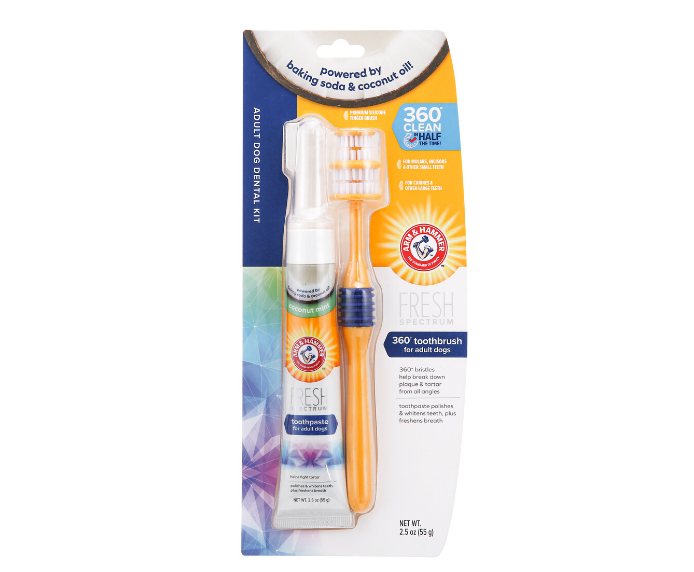
Preventive dental care tailored specifically for dogs is the best way to protect their health. Regular brushing with dog-specific toothpaste is one of the most effective methods for controlling plaque. Human toothpaste should never be used, as it can be harmful to dogs if swallowed. Dental chews, toys designed to reduce plaque, and specially formulated dry foods can also support oral hygiene by encouraging natural chewing behavior that helps clean teeth.
Routine veterinary dental checkups are equally important. Professional cleanings allow veterinarians to remove tartar from above and below the gumline—areas that brushing alone cannot always reach. These visits also provide an opportunity to detect early signs of infection, fractured teeth, or other oral abnormalities before they worsen.
Starting dental care when a dog is young helps establish positive habits. Puppies that are gradually introduced to tooth brushing are more likely to tolerate it as adults. Even brushing a few times per week can significantly reduce plaque accumulation and improve long-term oral health.
Ultimately, dental care is a vital part of responsible dog ownership. By maintaining your dog’s oral hygiene, you help prevent pain, reduce the risk of serious disease, and improve their overall quality of life. Healthy teeth and gums contribute not only to fresher breath but also to a longer, happier life for your dog.