

Dog Dental Hygiene in the Spring Time
Dog dental care is a vital part of maintaining your pet’s overall health, and spring is the perfect time to give it extra attention. After the colder months, when routines can become less consistent, spring offers a fresh start to reintroduce healthy habits. As dogs become more active and spend more time outdoors, ensuring their teeth and gums are in good condition helps support their energy, comfort, and wellbeing.
One of the key reasons dental care is so important is the prevention of plaque and tartar buildup. Over time, food particles and bacteria collect on a dog’s teeth, forming plaque that hardens into tartar if not removed. This can lead to gum disease (periodontal disease), bad breath, and eventually tooth loss. Left untreated, bacteria from the mouth can even enter the bloodstream and affect major organs such as the heart, liver, and kidneys.
Spring is an ideal time to check your dog’s oral health because you may notice changes more easily as their activity levels increase. If your dog is reluctant to eat, chewing differently, or showing signs of discomfort, it could point to dental issues that developed over winter. A seasonal check allows you to catch problems early before they become more serious or costly to treat.
Another reason to focus on dental care in spring is that many pet owners schedule routine veterinary visits during this time. A professional dental check-up can identify hidden issues such as gum inflammation, cracked teeth, or infections below the gum line. Your vet may recommend a professional cleaning if needed, which can significantly improve your dog’s oral health.
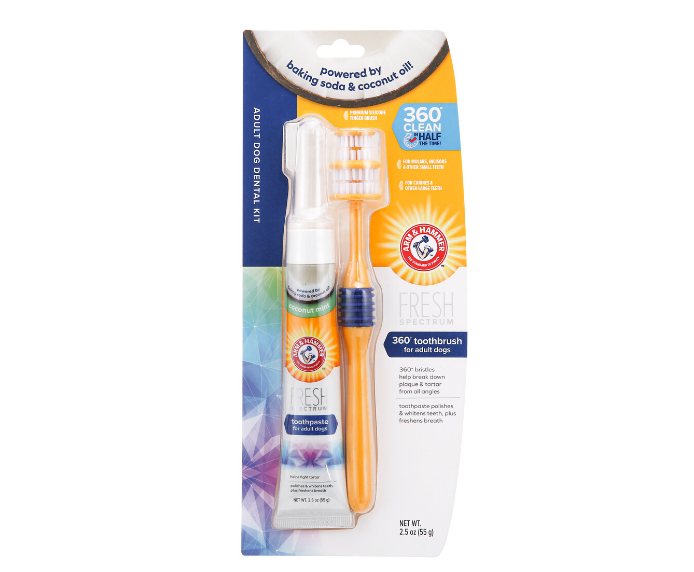
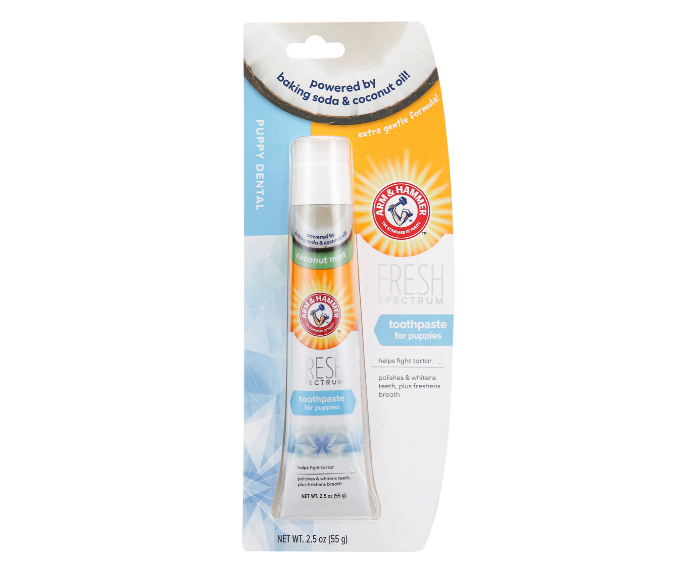
At home, there are several effective ways to maintain your dog’s dental hygiene. Regular brushing is the gold standard. Using a dog-specific toothbrush and toothpaste, aim to brush your dog’s teeth a few times a week, or daily if possible. While it may take time for your dog to get used to the process, consistency makes a big difference.
Dental chews and toys can also help reduce plaque buildup by encouraging chewing, which naturally cleans the teeth. However, these should complement brushing, not replace it. Providing a balanced diet, including dental-supporting foods if recommended by your vet, can further promote oral health.
It’s also important to watch for warning signs of dental problems. Persistent bad breath, swollen or bleeding gums, excessive drooling, or difficulty eating should not be ignored. These symptoms often indicate underlying issues that require veterinary attention.
By prioritising your dog’s dental care in the spring, you’re helping to prevent pain, improve quality of life, and support long-term health. A clean, healthy mouth allows your dog to eat comfortably, stay active, and enjoy the season to the fullest.